Climate change is one of the most urgent crises facing our world, it is inherently complex and needs multidisciplinary attention and action. This problem requires both more date and better insights into why the climate is changing and how rapidly. In addition, research can provide better insights into scenarios, possible strategies for mitigation and adaptation, how effective they may be and what the social and environmental costs will be. In brief, who needs to act and how.
One of the most impactful ways to tackle the challenge of climate change is the energy transition from fossil fuels to green energy sources, such as solar and wind energy. The energy transition will involve many levels in society and across many national and cultural boundaries, including: citizens, companies, public infrastructure, international trade agreements, laws, regulation and norms, and even introduce new challenges as nations look to secure access to scarce, strategic raw materials.
Sustainable planet also incorporates questions emerging from the increasing urgency of resources constraints of other basic raw materials, including food and water, and the limits to them. It encompasses studies of the types, sources and severity of environmental degradation caused by human actions, including damage to land, rivers and oceans and to bio-diversity (ultimately also to human health).
How can research help to address these issues? Most likely the solutions require a multidisciplinary approach.
Related SDGs
Subthemes
Collaboration Opportunities
Collaboration Groups
People











Events
No upcoming events found. Please try another selection.
News
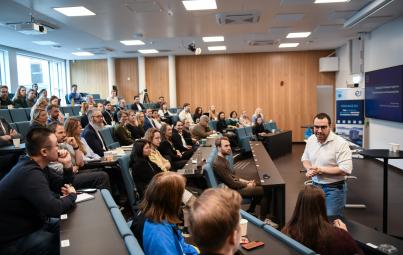
Advancing Sustainable Solutions: Insights from the ENGAGE.EU Think Tank 2024
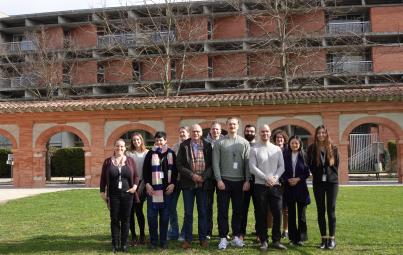
Exploring Open Science: Overview from ENGAGE.EU Data Management Days
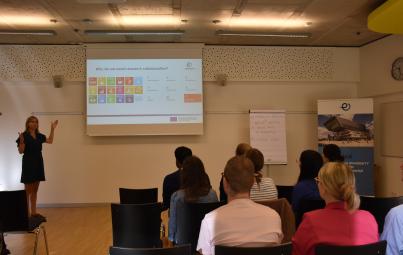
Science communication video lectures

400 members in one year
Happy anniversary!
Dear community,
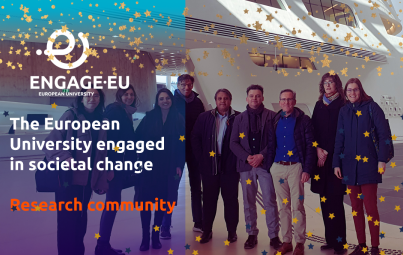
A reflection and thank you: ENGAGE.EU research communities
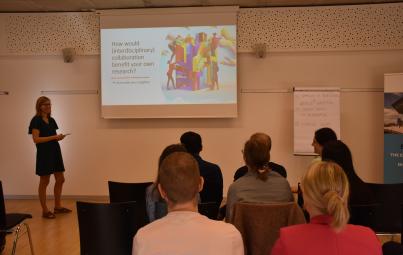
How to ENGAGE in this international research community
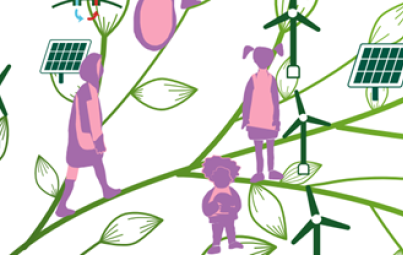
Beyond technology: A research agenda for social sciences and humanities research on renewable energy in Europe. S. Krupnik et al. (2022)
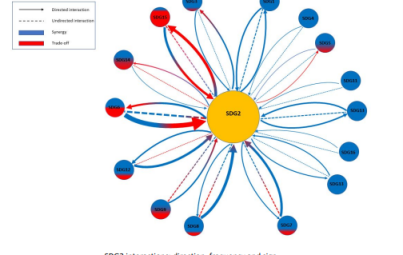
SDG interactions and current research gaps
Science, technology and innovation is not addressing world’s most urgent problems